

BLOG ·Academics
I've played classical music during quiet times, but always wanted to make it more meaningful. So I began to wonder if the first graders visualized anything while listening, and whether the pieces brought colors or feelings to mind.
I’ve been playing classical music in the background during our breaks, or during quiet times to incorporate classical music in our learning day, but I’ve always wanted to make the children’s experience with this type of music more meaningful. One day, I noticed that Dean Yeager would often ask the students to visualize the Bible passages he reads during assemblies, so I began to wonder if the first graders visualized anything while listening to classical music pieces. I also wondered if any of the pieces brought certain colors to mind, or if the pieces evoked any feelings.
Robert Schumann, a composer from the 1800s, said, “To send light into the darkness of men’s hearts – such is the duty of an artist." I wanted to see what “light” the children received from the pieces they heard. My goal was to help children interact with the music, and narrate their experiences in words. I realized that this could be a wonderful exercise in teaching children how to visualize a story or experience, speak about it, and make the point that we can use our words to express our thoughts, first in speaking, and later in writing. In addition, I saw that they, too, could be artists expressing “light” through their words.
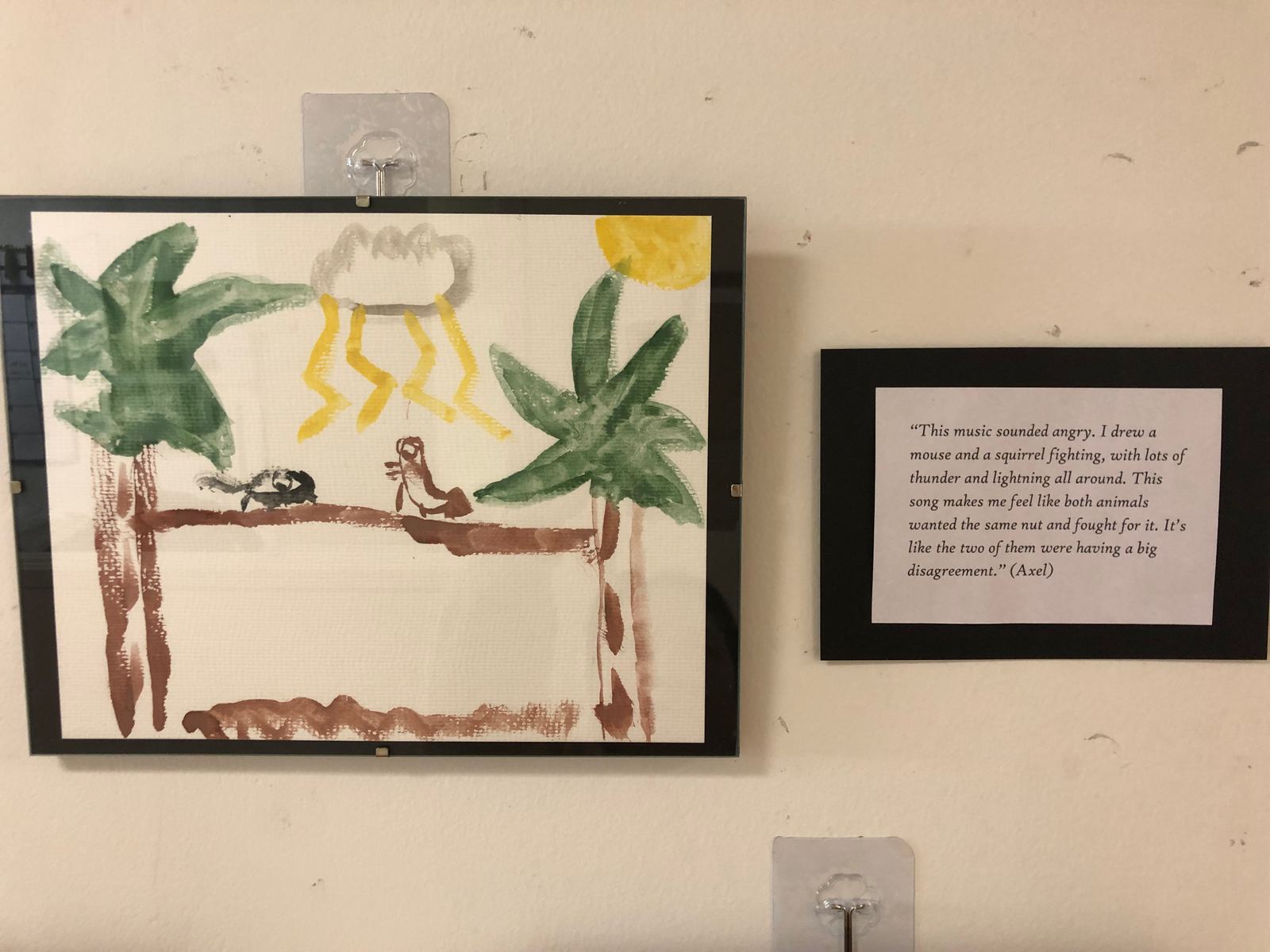
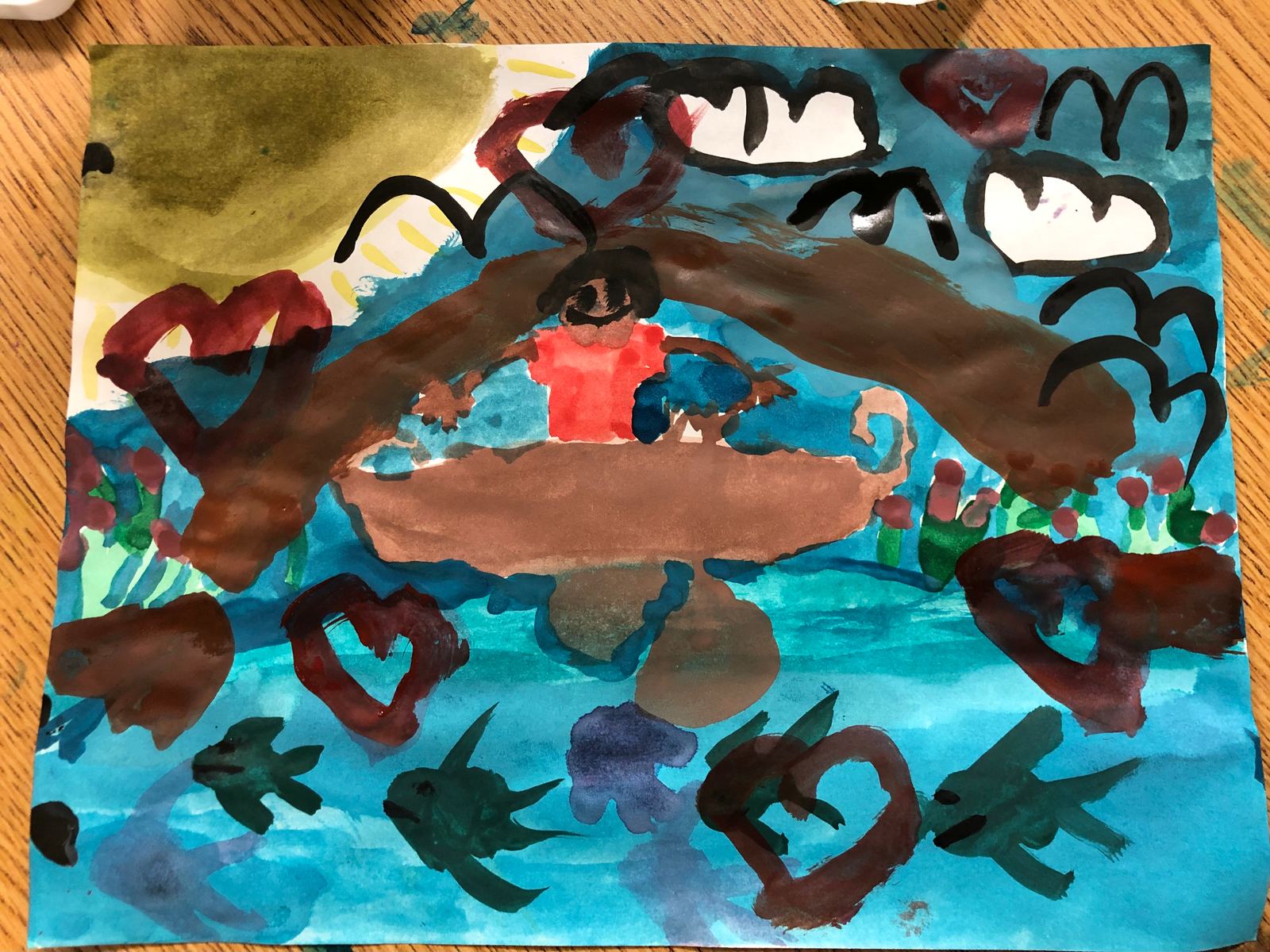
Out came the watercolors while my students listened to Beethoven’s 5th Symphony. They were to listen for 5 minutes and notice if any pictures, colors, or feelings came to mind. Then, they were to paint their thoughts. Later, I took a dictation of their thoughts. When I presented to them what they had said, I pointed out that this was an exercise in communicating our thoughts into words.
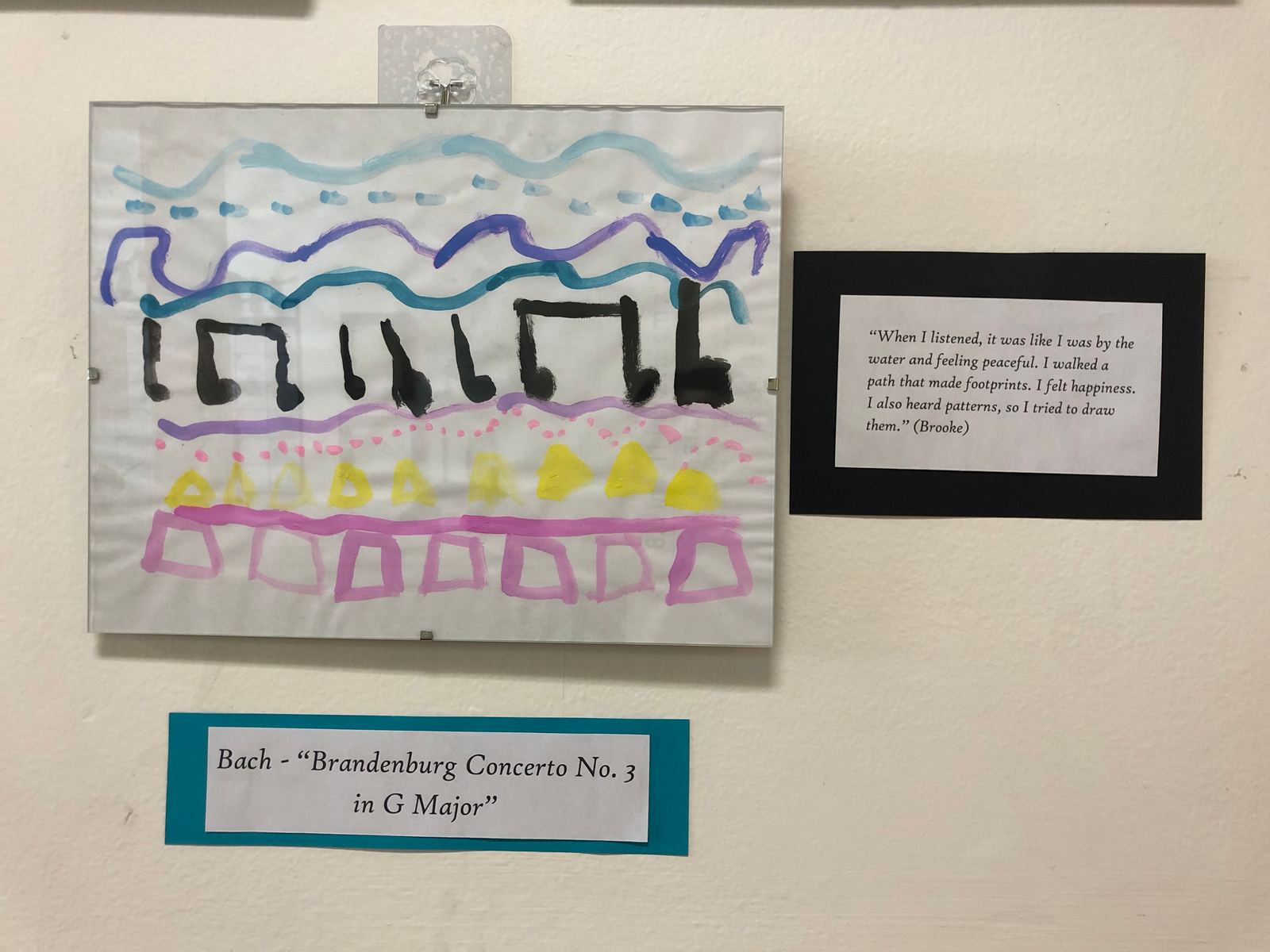
In our next listening exercise (Bach’s Brandenburg Concerto no. 3), the children were to present their responses to the music as verbal presentations to the class. It was a wonderful exercise, not only in sharing their thoughts and feelings through spoken words, but in being aware of one’s volume and demeanor while presenting in order to present their thoughts clearly so they could be understood.
Toward the end of the session, my students will be challenged to listen to classical music pieces and try to write their thoughts, which will be much more of a challenge, but my hope is that this will help them begin the wonderful process of creative writing in a fun and meaningful way. This project has turned out to be a wonderful way to integrate many different types of learning. Art is an amazing teacher – such a whole way to teach and learn!
ABOUT THE AUTHOR
Mrs. Janette Lim

C.S. Lewis’ The Abolition of Man (1943) is a classic of classical education. While its clunky subtitle (Reflections on education with special reference to the teaching of English in the upper forms of schools) suggests a more immediate concern.

On the heels of a successful run of Disney's The Jungle Book KIDS, I sat down with Mrs. Rebekah Kurth, our theater arts teacher and director, to hear her stories and glean wisdom about the value of a theater arts program.
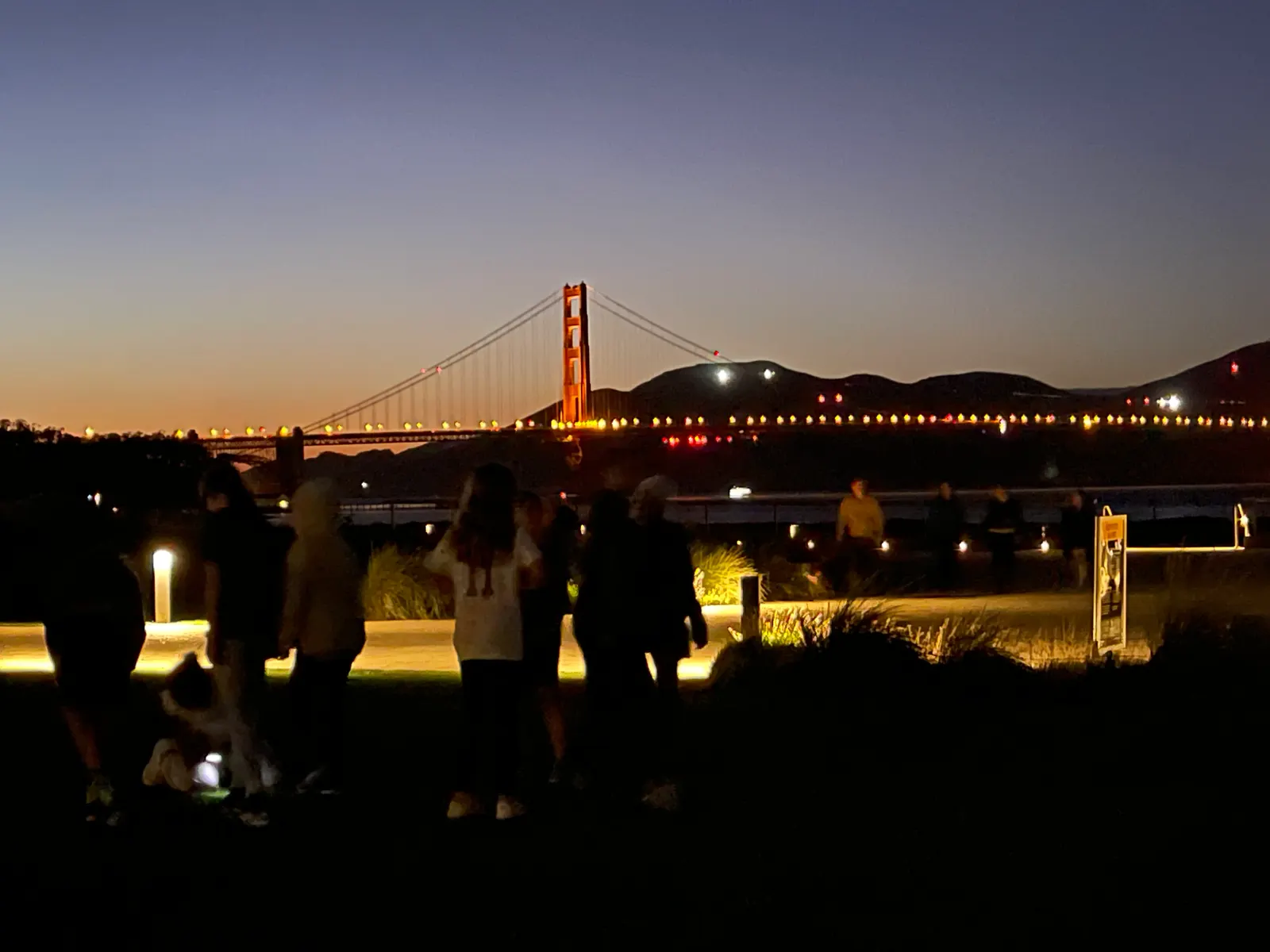
When we consider creation, we are drawn into wonder and worship of the Creator. This year our students saw the glory of God through star parties, a scale model of the solar system, the San Francisco Bay, and the Hayward Fault.


DONUM DEI
CLASSICAL ACADEMY
