

BLOG ·Classical Education
There is something deeply special that draws each of us to classical education, and that difference comes down to its purpose. One time-tested method that shapes students is narration, the practice of telling back.

by Jillian Phillips
“Narration lays the groundwork for recognizing patterns of truth, goodness, and beauty. Rightly positioned in this mode, students learn through noticing, attending, ordering, and observing. They respond through imitating and playing with new ideas.”
There is something deeply special that draws each of us to classical education. It feels different on the surface, as you may notice, but when you look closer, that difference comes down to its purpose, its goal.
As teachers in the classical tradition, we believe our calling is not only to prepare students for their futures but to help them flourish as human beings. You might ask, how? When you think of your own students, how do you hope they will grow? Perhaps you desire for them to think deeply, to engage meaningfully with the different worlds that God has placed them in, and to develop the capacity to see both people and God rightly.
These beliefs shape every lesson we design and every method we choose. Classical education employs certain time-tested practices that help students grow in their ability to think, reason, and connect truthfully. One effective and beautiful method is narration.
Narration comes from the Latin word narratio, which means “the act of telling.” Simply put, narration is the practice of asking students to tell back what they have read, heard, or observed. Through this act, they are retrieving information through focused effort in order to build better learning retention.
When we ask students to retrieve and retell, we invite them to listen intently and recall with precision. This process strengthens neural pathways in the brain, making it easier for students to remember and connect ideas over time. More modern research calls this "retrieval practice," and it is a key to long-term learning.
During the art of narration, students are not being asked to analyze. Once analysis enters, the purpose of narration shifts and the text is no longer serving its first goal, to be known. Analyzing can and should come later. Narration lays the foundation for understanding before interpretation begins.
Narration builds a foundation for communication, both listening and speaking. It cultivates habits of attention and invites connection to ideas. Through this process, students learn to store knowledge in a living way, making connections such as, “That reminds me of…” These acknowledged associations help build ideas, strengthen memory, and later support students’ writing and expression.
Narration lays the groundwork for recognizing patterns of truth, goodness, and beauty. Rightly positioned in this mode, students learn through noticing, attending, ordering, and observing. They respond through imitating and playing with new ideas.
Narration is not limited to small children or to literature. We all learn by imitation, regardless of age, and narration is a tool that can be used across every subject and discipline. Whether in history, science, or Scripture, narration invites students to participate in the act of knowing, of owning what they learn.
The benefits of narration reach far beyond memory. It nurtures:
When students narrate, they imitate and participate in language itself. They practice new words, organize thoughts, contemplate meaning, define ideas, and play with language in ways that form both intellect and imagination.
According to author Adrienne Freas, “Narration is the only classical pedagogy that asks a student to apply all three modes of the trivium through one activity. It asks students to imitate and synthesize ideas (mimetic or grammar mode), to internalize understanding and apply reason (dialectic or logic mode), and to create and act in wisdom (rhetorical mode).”
This makes narration not only a pedagogical method but a deeply formative practice, one that trains the whole person.
Narration is an art that honors how God has created us, to hear, to imagine, and to retell. But even more profoundly, narration cultivates virtue. Aristotle said, “Moral virtue is the result of habit.” Each time our students narrate, they practice and strengthen virtues that shape their character:
Through narration, students don’t just learn about truth, goodness, and beauty. They learn to recognize and love them. Narration becomes not merely a method for knowing, but a means of becoming—becoming attentive, thoughtful, and virtuous human beings who delight in the world God has made.

ABOUT THE AUTHOR
Mrs. Jillian Phillips
Mrs. Jillian Phillips partners with Donum Dei Classical Academy as our 3rd Grade Teacher and Grammar School Coordinator. She brings to the Academy over a decade of experience in teaching in a variety of settings.

Truth, goodness, and beauty are known as the Transcendentals. In our day, beauty is the one many consider a waste of time, because we conflate usefulness with value and lose the ability to see beauty rightly.
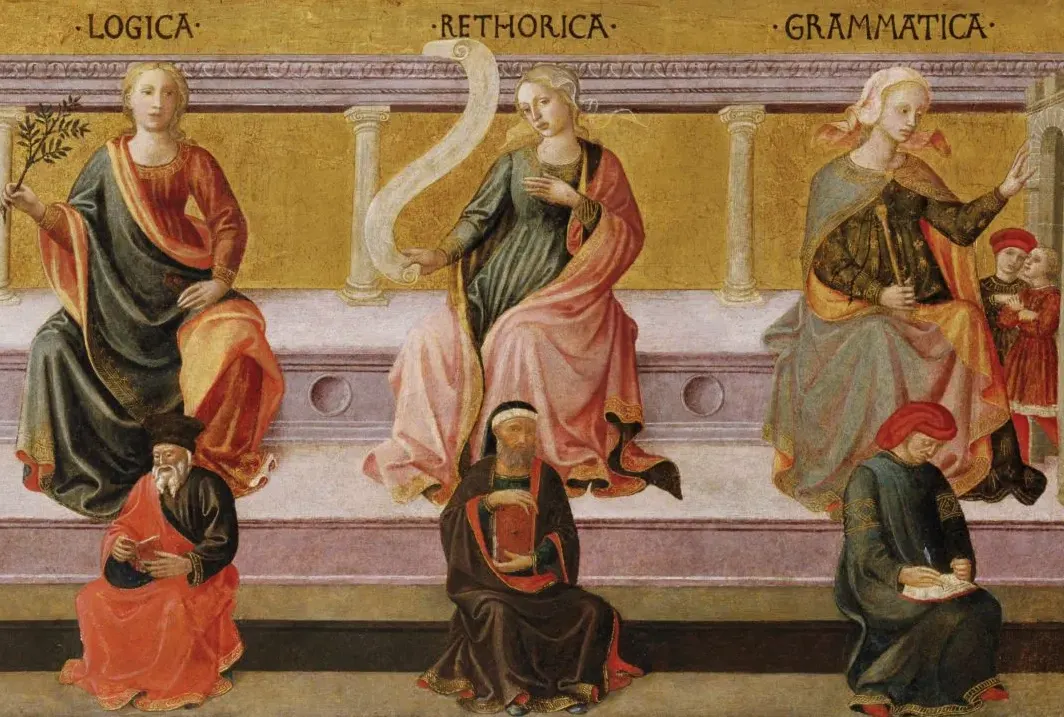
A retelling of Martianus Capella's fifth-century story of Philology and Mercury, tracing the history of the Trivium, grammar, logic, and rhetoric, and explaining why classical educators still use it today.
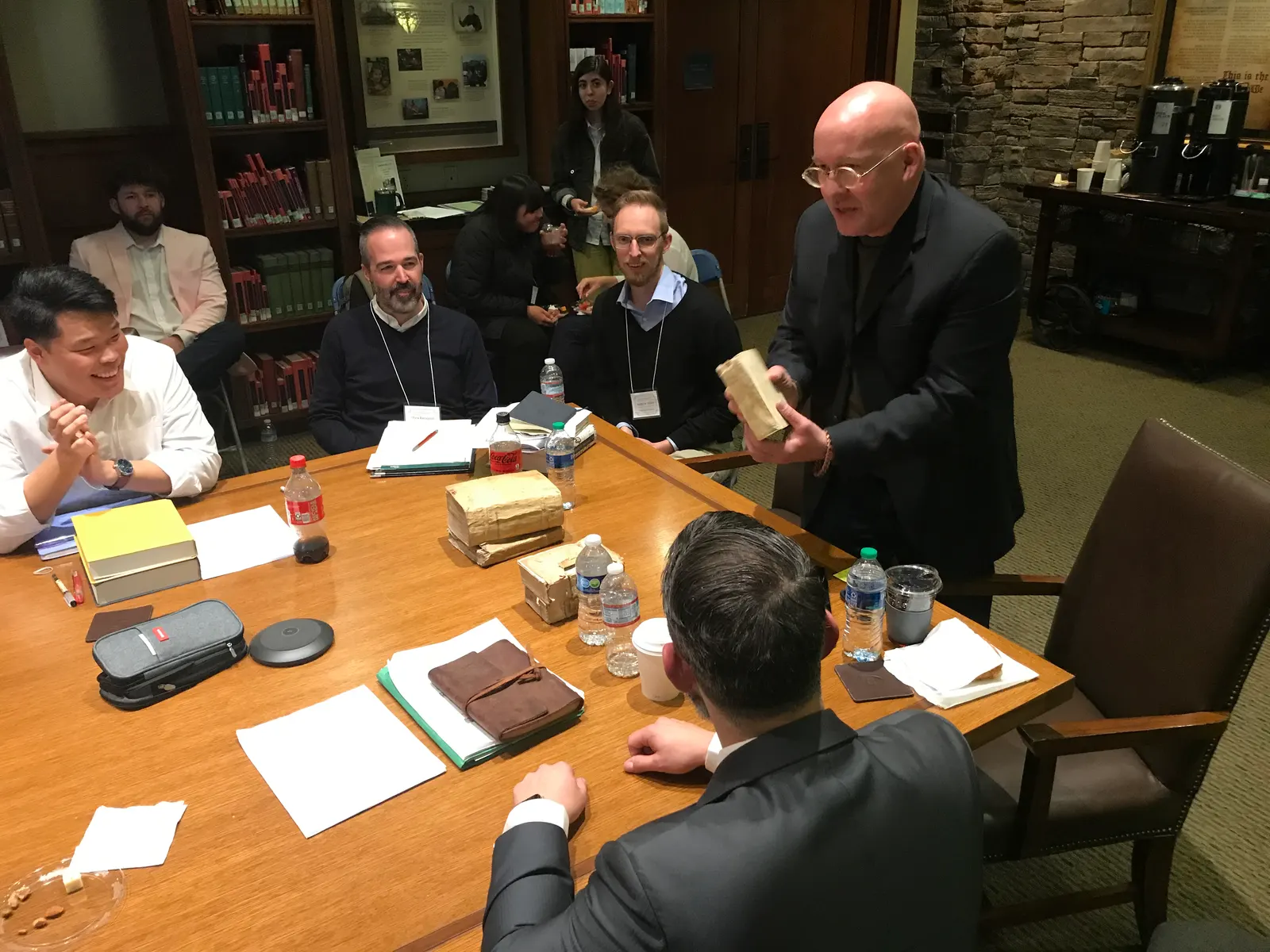
Reflections from an Alcuin Fellowship academic retreat, where educators took a deep dive into a classical view of history: why history matters, how we should do the work of history, and what it should form in our students.


DONUM DEI
CLASSICAL ACADEMY
